

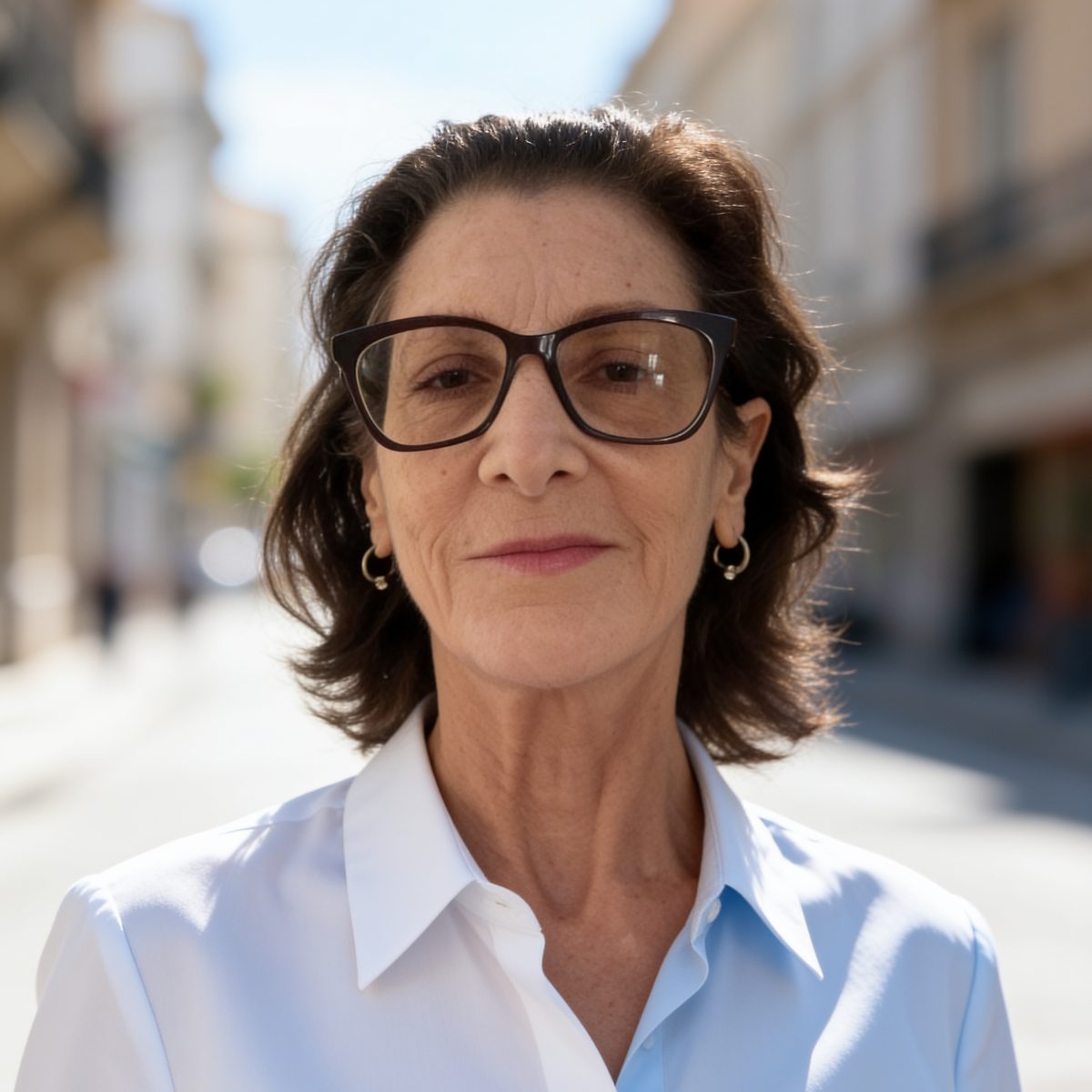
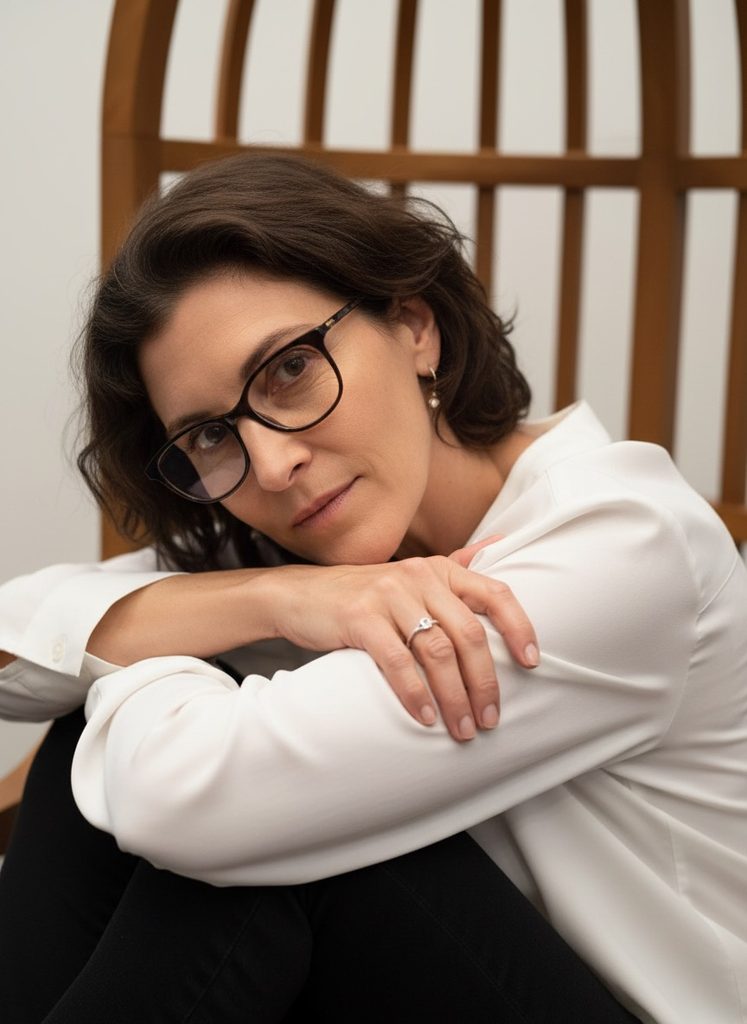
Carly Alyssa Thorne is a transformational leader, bestselling author, speaker, consultant, producer, director and actor whose work spans personal development, wellness, fitness, entertainment and conscious business collaboration.
Based in California, she is the founder of Transformations Life Coaching and Transformations Life Productions, and the driving force behind Social WE Media. Through her work, she brings together the mind, body, business and spirit, encouraging individuals and organizations to approach growth through collaboration and continuous learning.
Her professional journey has taken her from performing arts across Central and South America to fitness entrepreneurship, filmmaking, writing and transformational coaching. She has co-authored several books and collaborated with authors and thought leaders on personal development, empowerment and social interconnectedness.
However, her most remarkable achievements extend beyond her professional career. Born with congenital rubella syndrome, Carly has undergone more than 67 surgeries and faced significant health challenges, including hearing and vision complications and chronic illness. She has also spoken openly about her struggles with mental health and the importance of seeking support.
Today, her work is driven by resilience, reinvention and the belief that personal and professional growth are deeply interconnected.
Business Now spoke with Carly about her journey, the lessons of resilience, entrepreneurship, collaboration and why she believes we all have the power to rewrite our lives.
1. How did your personal experiences shape your understanding of resilience and success?
Having undergone more than 67 surgeries, my personal journey has taught me some of life’s most important lessons.
One of the biggest is patience. When you’re chronically ill, you have to understand that there will be days when you simply cannot do everything you want to do.
However, the most important lesson has been learning to ask for help. When you’re dealing with a chronic illness, you naturally try to do everything yourself. You don’t want to depend on others or feel that you’re asking too much. Eventually, you realise that asking for help isn’t a weakness. It takes tremendous courage.
Professionally, I’ve also learned that every journey has its highs and lows. There will be periods when you have more clients, referrals and opportunities, and others when things slow down.
I’ve learned not to define success by any one particular phase. Life and business both move in cycles, and you have to be willing to adapt.
“The biggest lesson for me was asking for help because when you’re chronically ill, it takes a lot of courage to ask for help.”
2. How did your childhood and exposure to different cultures influence the person you became?
I left the United States when I was five and didn’t return until I was 14. During those years, I lived in Mexico, Venezuela, Brazil due to my father’s corporate career.
Moving around so frequently wasn’t always easy. I had to keep changing schools, meeting new people and adapting to completely different environments.
However, those experiences made me incredibly resilient. I became someone who could be dropped almost anywhere and still find a way to thrive. You learn to pick yourself up and adapt when you’re constantly starting over.
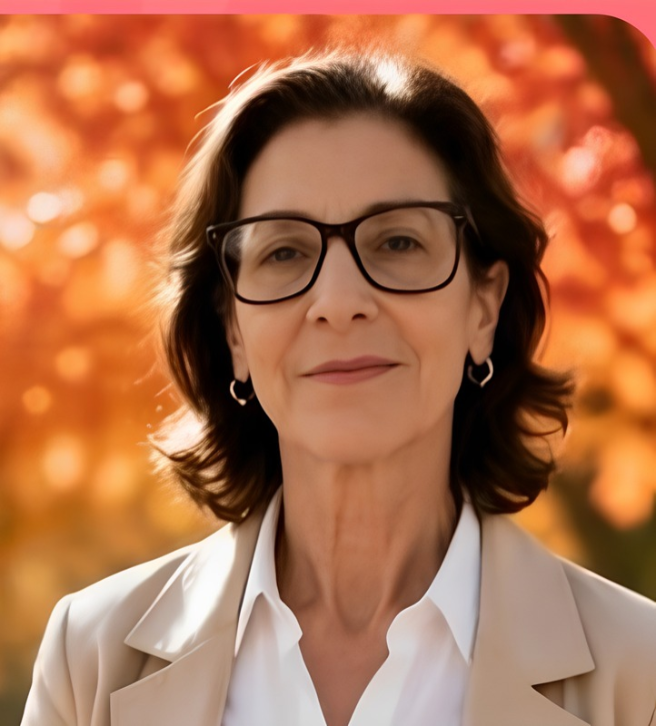
My childhood also had its challenges. We lived in beautiful homes, had bodyguards and enjoyed material comforts. However, having those luxuries while your parents are rarely home doesn’t necessarily create a nurturing family environment.
I often found myself forming close relationships with other families because my parents were unavailable. In many ways, those relationships became important sources of emotional support.
Looking back, I believe my childhood shaped my independence, adaptability and appreciation for human relationships.
“When you move around so much, you learn to pick yourself up and adapt. You cannot keep starting over without developing a certain level of strength.”
3. From performing arts to fitness, how did your professional journey evolve?
I’ve been involved in entertainment since sixth grade. I sang, danced, tap-danced, acted and participated in productions across Central and South America, including Yankee Doodle Dandy, West Side Story and Show Boat.
Fitness entered my life for health reasons. I started lifting weights in 1982 because I had severe osteoarthritis and was at a high risk of developing osteoporosis. I had also undergone a full hysterectomy at the age of 25.
For me, fitness was never simply about appearance. It was about maintaining my strength, health and overall well-being.
My entertainment career took another turn in 2004 when I moved from New Jersey to California. That year, I got my first reality show, opening the door to opportunities in acting, producing, directing and other aspects of filmmaking.
I’ve also participated in public service announcements, particularly those focused on suicide prevention and child abuse awareness.
I find acting incredibly therapeutic. It allows you to explore different emotions, experience different situations and sometimes channel your own experiences into the characters you portray.
“For me, entertainment has always been another avenue for creativity, expression, and transformation.”
4. What inspired you to build your own wellness and fitness business?
Before establishing my wellness center, I had spent several years working as a personal trainer.
After 9/11, I felt the need to reinvent myself professionally. I had worked at the World Trade Center and narrowly missed the bombing by just one hour, as I was at the train station preparing to board my train.
That experience became a turning point. I established Celestial Wellness and Fitness Studios, bringing together different approaches to health and well-being.
The studio combined yoga, Pilates and weight training with meditation, Reiki, sound healing and other holistic wellness practices.
My vision was to create an environment where people could explore both Eastern and Western approaches to health.
However, I felt that the market in New Jersey and New York wasn’t quite ready for the integrated wellness experience I wanted to offer. California provided a more receptive environment for exploring alternative wellness, healing and personal development.
“I wanted to create an environment where people could explore both Eastern and Western approaches to health in a practical way.”
5. How have mentors and personal development influenced your philosophy?
I’ve been fortunate to learn from several people throughout my journey. Personally, Barbara has been like a mother to me in California, while my best friend Sylvia has been an important source of support.
Professionally, one person I particularly admire is Bob Burg, author of The Go-Giver series. His work has reinforced my belief in collaboration and relationship marketing.
People sometimes view selling negatively because they don’t want to feel they’re pushing a product or service onto someone. However, selling is really about building relationships and having meaningful conversations. You cannot begin with selling; you have to begin with trust.
I’ve spent approximately 30 years in personal development and attended seminars by Christopher Howard, Mark Victor Hansen, T. Harv Eker and several other thought leaders.
I’m constantly studying, reading and exploring new ideas. One concept I find particularly important is the teachability index. Are you genuinely willing to learn, or have you reached a point where you believe you already know everything?
We often don’t recognise what we don’t know until someone points out something in our blind spot.
I also had the opportunity to interview Brian Tracy, in the movie “The Secrets to the Keys’ in which he appeared. Experiences like these have reinforced my belief that learning should be a lifelong process.
“We don’t know what we don’t know until someone tells us something that we don’t see that’s in our blind spot.”
6. Why do you believe collaboration is essential to success?
That’s one of the reasons I co-wrote a book called Social WE.
One of the challenges with social media is that it has become very much an “I”-oriented space. People focus on themselves, their achievements and their individual identities.
I believe we need to move away from constantly thinking in terms of “I” and embrace the power of “we”.
Even when you think you’re doing everything yourself, you’re not. If you’re running a business and someone purchases your product or service, that person is already part of your collaboration.
The same applies to coaching. I cannot do the work for someone. I can do it with them, the individual has to take responsibility for their own transformation.
My philosophy is based on the understanding that everything is interconnected. I often describe it through four dimensions: mind, body, business and spirit.
When one area is struggling, the others are affected too. Our professional lives influence our personal relationships, and our personal circumstances can affect our work.
That’s why I believe in conscious business collaborations and compassionate passionate communications.
“We really need to step out of the “I” statement and step back into the “We” statement, because it’s a collaborational world.”
7. How did you navigate some of the darkest periods of your life?
I’ve experienced some extremely difficult moments. Because of the medical challenges I faced throughout my life, there were periods when I felt completely exhausted by the suffering. I attempted suicide three times.
Eventually, after my third attempt, I reached a point where I had to make a conscious decision about how I wanted to live.
I sat down and told myself that I had a choice: I could either choose to live and thrive or continue living in misery and suffering.
That became an important turning point.
I believe we all experience moments when we’re tired of where we are. However, we cannot create something new by continuously relying on the same thinking and experiences of the past. We have to be willing to recreate ourselves.
For anyone going through a difficult period, my first advice is to reach out for help. It doesn’t matter whether you approach a friend, a family member, a priest or someone you trust. Just make sure you reach out.
“Asking for help is not weakness; it’s strength. It takes a lot of effort and strength to put your hands up and say, ‘I need help.'”
8. How has writing and storytelling become an important part of your journey?
Writing has been part of my life since high school. My teachers often encouraged me to pursue it professionally, and as people began reading my work, I started receiving invitations to contribute to magazines and collaborate on books.
I’ve co-authored approximately six books with one other person and contributed to around 10 additional collaborative books featuring multiple authors.
I particularly enjoy collaborative writing because it brings together different personalities, experiences and perspectives.
My writing generally focuses on social interconnectedness, self-development, spirituality, transformation and empowerment.
I’m currently working on my autobiography. There are many aspects of my life that people don’t know about. They might see my physical appearance, muscles or professional accomplishments, yet they don’t necessarily see the medical challenges, scars and experiences behind them.

I believe writing my autobiography will be therapeutic for me and enlightening for others.
I’m also developing a thriller film based on a difficult chapter of my life involving domestic violence and my former husband’s attempts to kill me. He was eventually arrested.
“People might see my physical appearance or professional accomplishments, yet they don’t necessarily see everything I’ve experienced behind the scenes.”
9. How do you use communication and psychology to influence transformation?
I’ve studied neuro-linguistic programming (NLP), hypnotherapy and other approaches to personal development, and I incorporate many of those principles into my communication.
I’m particularly conscious of the words I use.
For instance, I don’t use the word “but” I replace all but’s with and’s. When you say something like, “I love you, but…”, the person listening often begins anticipating something negative.
Instead, I prefer using the word “and”. Saying “I love you, and…” creates a different conversational opening.
Even during interviews, if I accidentally use the word “but”, I’ll correct myself and replace it with “and”.
I believe communication is about more than exchanging information. It’s about understanding how our words influence the way people feel, think and respond.
“Communication is about understanding how our words influence the way people feel, think, and respond.”
10. What is your approach to artificial intelligence and ethical social media practices?
I believe artificial intelligence has an important place in our lives and can be incredibly useful.
For example, it can help refine a paragraph or improve the clarity of written content. However, I don’t believe in using AI to replace your own creativity. I wouldn’t ask AI to write my entire book for me.
There are also ethical questions surrounding how people use AI-generated content and whether they present it as entirely their own work.
Ultimately, we have to be mindful of how we use technology and the responsibilities that come with it.
Technology should help us become more effective, but it shouldn’t replace our individuality, creativity or authenticity.
“Technology helps us become more effective, however it shouldn’t replace our individuality, creativity, or authenticity.”
11. What are three simple frameworks people can use to transform their lives?
There are three simple tools I often recommend to help people change their mood or get themselves out of a difficult situation.
The first is what I call “Do the Jig”. Simply get up and dance. Dance it out!
The second is to smile. Even if you’re not in the mood, smile. It can influence your physiology and neurology and help shift your mood.
The third is my personal framework: “Do It, Delegate It, or Delete It”.
In life and business, you essentially have three choices when it comes to any responsibility or task.
If something needs to be done and you’re capable of doing it, do it. If someone else can do it better, delegate it. And if something isn’t beneficial to you or anyone else, delete it from your list.
I also believe in another concept called “Cocoon to Flight”. You begin with an idea, thought or project;
eventually you have to decide whether you’re going to bring it to life or leave it behind.
These are simple frameworks, but I use them regularly in my own life.
“Do It, Delegate It, or Delete It is my mantra.”
12. What does the future look like for Carly Alyssa Thorne?
I want to continue travelling, speaking and writing. I absolutely love exploring different cultures and meeting people from different parts of the world.
I’m currently working on my autobiography, developing my life-based movie project and exploring a couple of additional books.
I want to continue sharing my experiences, connecting with people and creating opportunities for collaboration.
For me, personal and professional growth never really ends. There is always something new to learn, something new to create and another way to contribute.
“As long as we’re willing to remain curious, keep learning, and take action, we can continue evolving throughout our lives.”
A Final Thought: We Are the Creators of Our Own Lives
When asked to leave readers with one final message, Carly returned to a philosophy that captures the essence of her personal and professional journey.
“We are all the actors, producers, directors, and editors of our lives. We can edit our lives anytime. Life is a play, and we play all the characters.”
For Carly, life is not a fixed script. It is an ongoing process of creation, reinvention and collaboration.
Her journey, spanning more than 67 surgeries, professional reinventions and deeply personal challenges, reflects her belief that circumstances do not have to define our future.
Whether through wellness, entertainment, writing, coaching or business collaboration, her larger purpose remains center on helping people recognise their potential and take ownership of their lives.
Perhaps her most powerful message is that while we may not always control what happens to us, we can choose how we respond, what we create and who we become.
Follow Carly Alyssa Thorne
Visit: http://www.carlyathorne.com/