

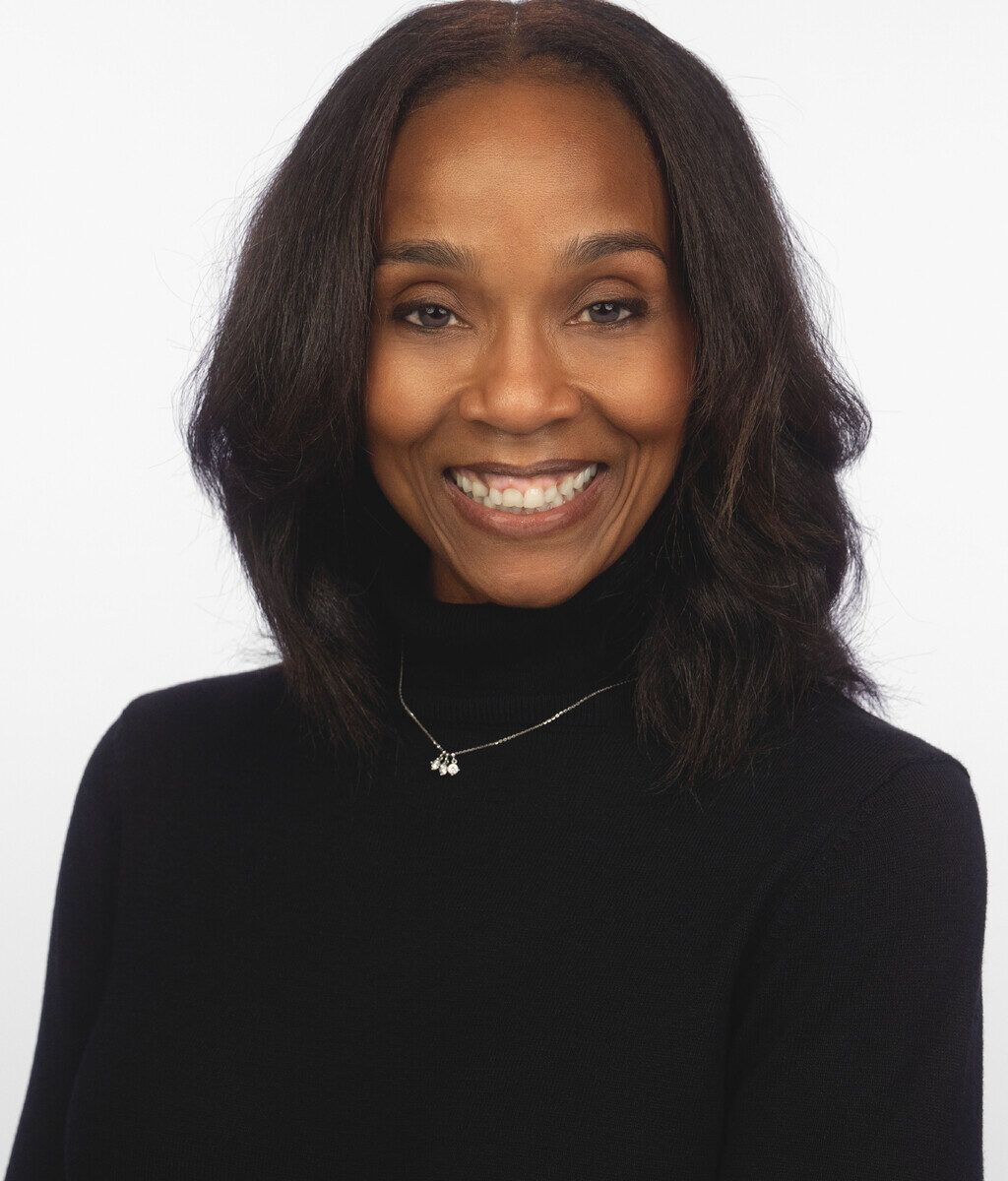
Nicole Crawley’s career has evolved across project management, marketing operations, production and Agile transformation, ultimately leading her to her current role at Navy Federal Credit Union. Her leadership today is centered on developing people, building trust and helping teams navigate change. As marketing continues to evolve through AI and automation, she believes the strongest leaders will be those who combine technology with distinctly human strengths.
Business Now spoke with her about the experiences that shaped her leadership philosophy, the lessons she has learned throughout her career, and her perspective on the future of marketing.
Business Now: Looking back to the beginning of your career, what were you like as a young professional, and what did you originally imagine your career would look like?
Nicole Crawley: I don’t think young Nicole had any idea what her career was going to become. I originally wanted to be a journalist, specifically an investigative reporter, but chose a different path because I was more focused on making money, much to the dismay of my journalism professors.
What I did have was curiosity, a strong work ethic and an instinct to figure things out. I wanted to do well, I wanted people to trust me, and if there was a problem nobody quite knew how to solve, I was usually willing to step in.
Looking back, that instinct connects the different chapters of my career. I’ve worked across project management, production, operations, Agile transformation, vendor management, budgeting, capacity planning and organizational change. I’ve always been drawn to the intersection of people, process and possibility: How do we make this work better? How do we bring people along? How do we create an environment where people can do their best work?
Eventually, I realized my greatest satisfaction wasn’t simply solving the problem. It was watching people I had helped develop become capable of solving problems without me. That’s when leadership became much more personal for me.
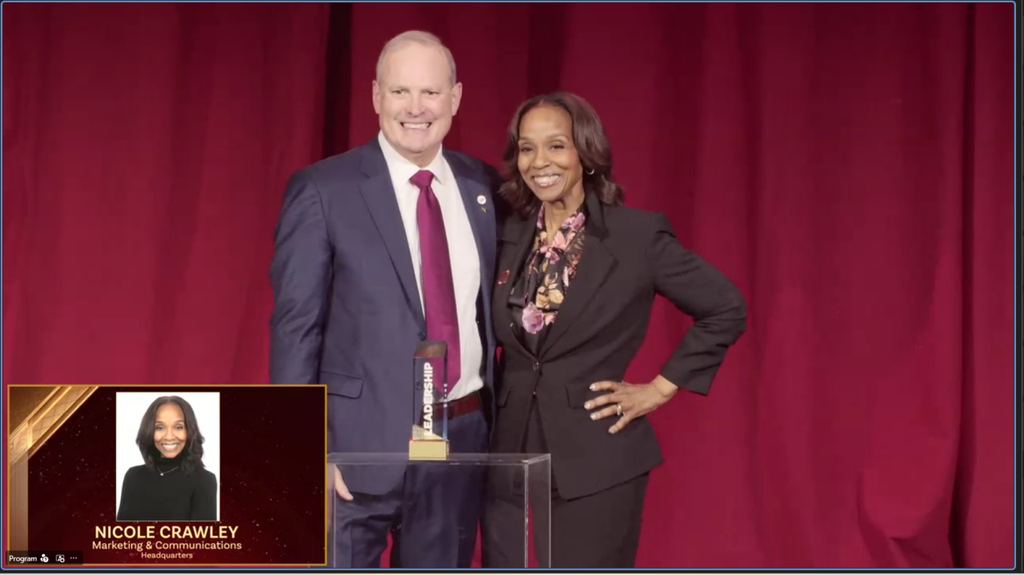
You’ve moved through very different chapters, from The Home Depot to Total Wine & More to Navy Federal. What were some of the biggest turning points that shaped the leader you are today?
Some of my greatest opportunities came disguised as extra work. Earlier in my career, I didn’t evaluate every opportunity by asking what I would get for doing it. Sometimes I simply thought, “My team needs me. I can help.”
At Home Depot, my manager went on maternity leave and I was asked to step into her responsibilities. I treated it as an opportunity to help the team and learn. She ultimately decided not to return, and because I had already spent those months doing the work, demonstrating that I could operate at that level and building credibility, I was offered the promotion into her role.
There was certainly luck and timing involved, but luck met me already doing the work.
That experience became a recurring lesson. I learned to step into assignments where I didn’t necessarily have all the answers and to raise my hand when something needed to be figured out. Those experiences gave me new skills, exposure, relationships and credibility that prepared me for opportunities I couldn’t yet see.
I also learned that an opportunity doesn’t always announce itself as an opportunity. Sometimes it looks like a problem nobody else wants to own.
After years of leading teams and navigating complex organizations, what matters to you more today than it did earlier in your career?
People. Without question.
Earlier in my career, I measured success more through what I accomplished, what I delivered and whether a project succeeded. Results still matter, but today I ask different questions: Who grew because I was their leader? Who became more confident? Who received an opportunity they might not otherwise have had? Who is ready to take my seat someday?
I’m at a stage of my career where I care deeply about the generations coming behind us. Marketing is changing extraordinarily fast, and they are going to inherit an industry that looks very different from the one I entered.
I want them to be technically capable, but also able to lead through ambiguity, build relationships, influence without authority, communicate with executives, recover from failure and advocate for themselves.
Our job as leaders isn’t to make people dependent on our leadership. It’s to make them bigger because they experienced it. That’s what legacy means to me.
With AI, automation and changing ways of working reshaping marketing, what excites you about the future, and what do leaders need to prepare for?
I’m incredibly excited about AI because I think it has the potential to remove enormous amounts of low-value work and give people more capacity for the things humans are uniquely good at: creativity, judgment, relationships, storytelling, empathy and strategic thinking.
I think we’re asking the wrong question if all we’re asking is, “What can AI do?” We also need to ask, “Who do our people need to become because AI can do this?”
The marketer of the future won’t succeed simply because they know how to use a particular platform or tool. Tools will continue changing. They will need adaptability, critical thinking, curiosity, business acumen and a commitment to continuous learning.
Leaders also have a responsibility during that transition. We can’t introduce technology and simply tell people to adapt. We need to create psychological permission to learn, experiment, fail safely and develop new skills.
I’m particularly proud of the fast-fail culture we encourage within our marketing operations team and at Navy Federal. I don’t want young marketing professionals to be afraid of AI. I want them asking, “If technology gives me back 30 percent of my time, what extraordinary thing can I now do with that capacity?”
Technology should allow us to become more human, not less.
If you could go back and have a conversation with your younger self, knowing everything you know today, what would you tell her?
I’d tell her not to spend so much time trying to become who she thinks a successful professional is supposed to be. Become more of who you already are.
For a long time, I believed that moving higher in my career meant becoming a certain version of an executive: more polished, more reserved and perhaps a little less myself. I’ve learned the opposite. My personality, energy, humor and willingness to show that I care are not things I need to overcome to be an effective leader. They are part of my leadership advantage.
I’d also tell her to trust herself sooner. Speak up. Ask for what you want. Don’t assume that if you work hard enough, everyone will automatically understand what you’re capable of or where you want to go. Do great work, but learn to advocate for yourself too.
Most importantly, I would tell her not to be afraid of unexpected turns. Your career isn’t going to make perfect sense while you’re living it. You’re going to take on assignments you didn’t expect, work across different industries, develop skills you never imagined needing and lead through change. Eventually, you’ll realize those seemingly unrelated experiences were building the leader you were becoming.
And I’d tell her to be proud of who she is. You don’t have to look like everyone else, lead like everyone else or have the same story as everyone else. The things that make you different aren’t detours from your success. They can become the reason people remember you.
I spent the first part of my career proving what I could do. I think I want to spend this part of my career helping other people discover what they can do.